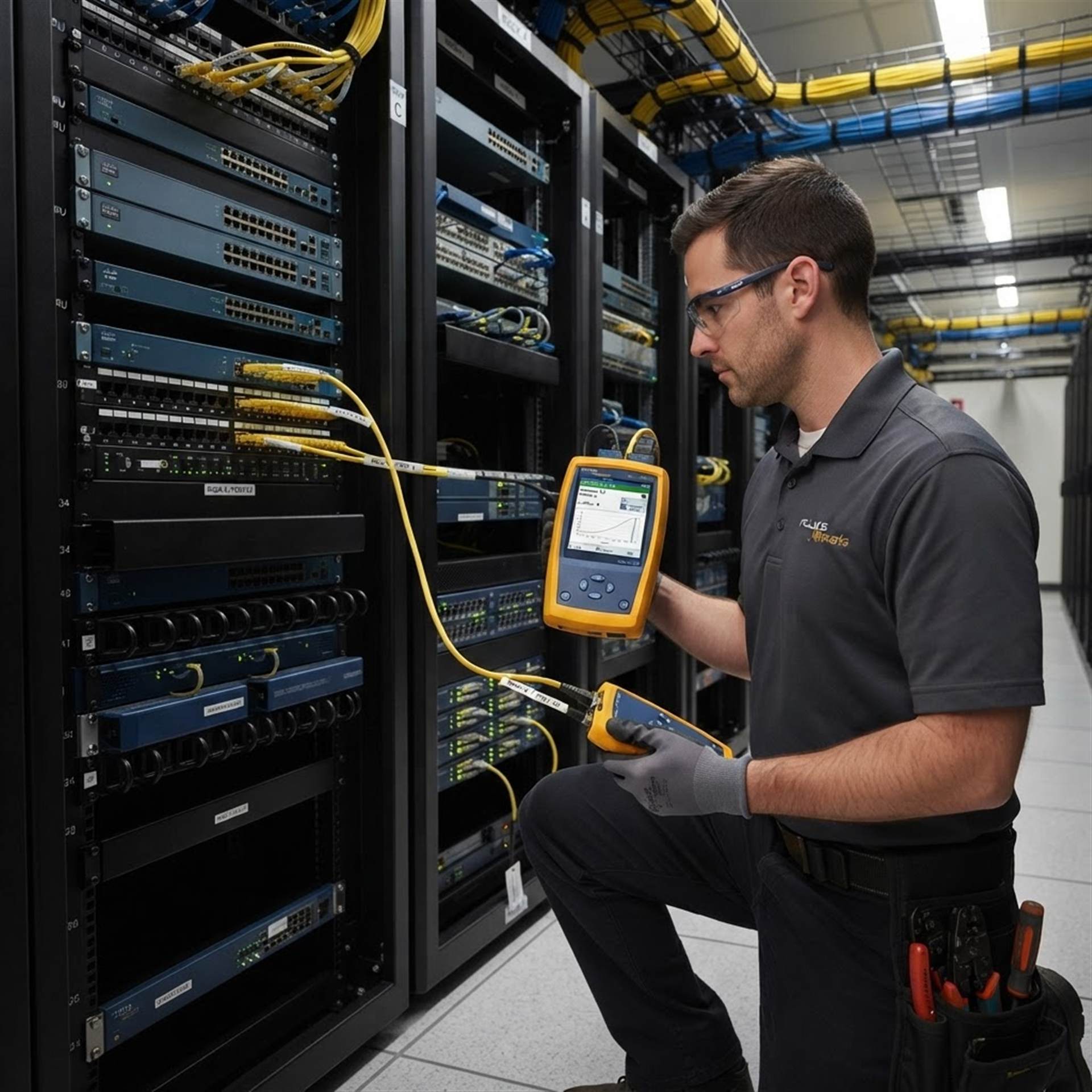
A poorly planned cable plant causes slow networks, dead ports, and mystery outages for years after the installers leave. Because we're also the team monitoring and supporting your network day to day, we design cabling that's easy to maintain — not just easy to install.
We Pull the Cable.
We Connect the Equipment.
We Test the Network.
We Patch the Wall.
One company owns the job through completion.
Internet
↓
Firewall
↓
Core Switch
↓
Fiber Backbone
↓
MDF / IDF
↓
CAT6
↓
Wi-Fi / Phones / Cameras / Access Control / Computers
WNS can design and support everything on both ends of the cable.
A typical low-voltage contractor may pull the cable. WNS knows why that cable is there, what it connects to, what VLAN it should use, whether the switch has enough PoE, how much bandwidth the device needs, and how the network should be designed afterward.
We only install solid-copper CAT6 plenum cabling — no CAT5E, no shortcuts — with fiber backbone and PoE capacity planned in from the start, so the infrastructure has room to grow instead of needing to be redone in two years.
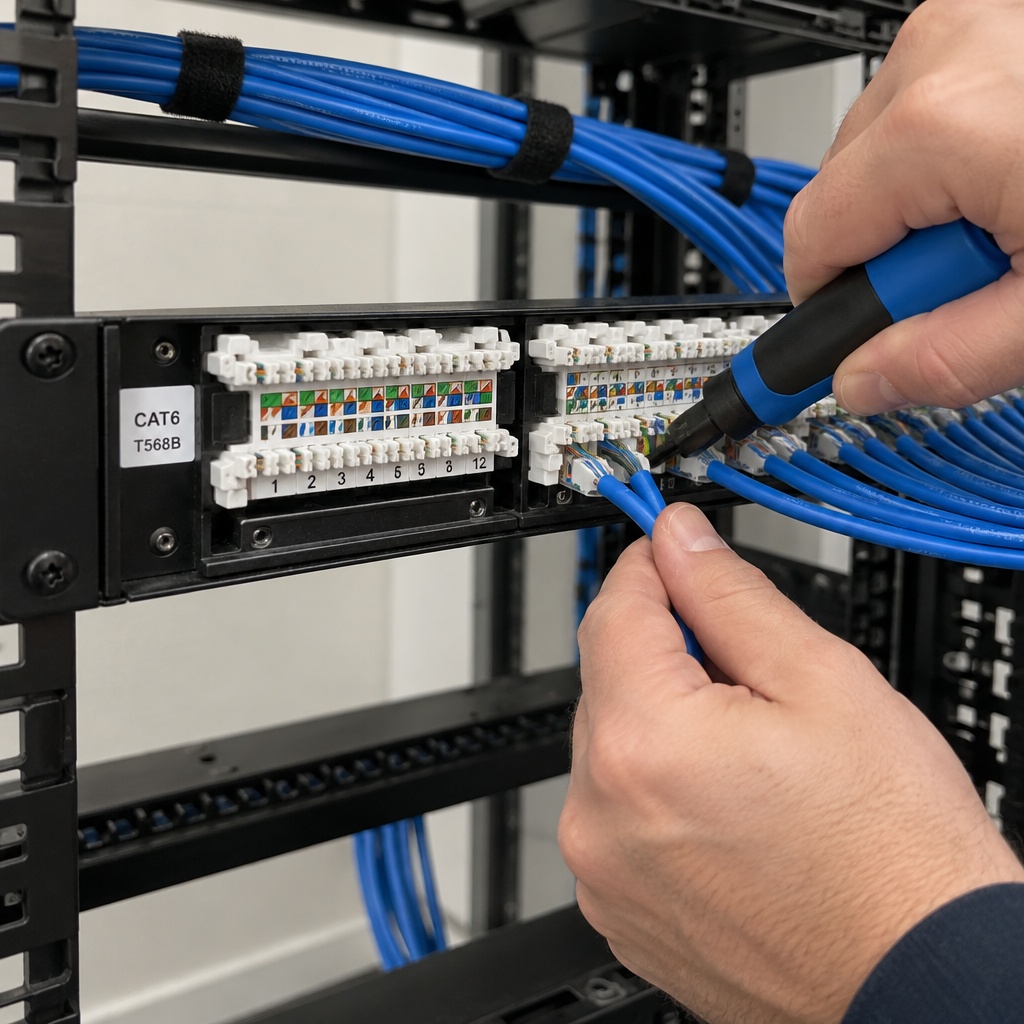
Solid-copper CAT6 plenum runs for telephone, voice, and data — sized for what your network actually needs to carry, for better throughput than older standards.
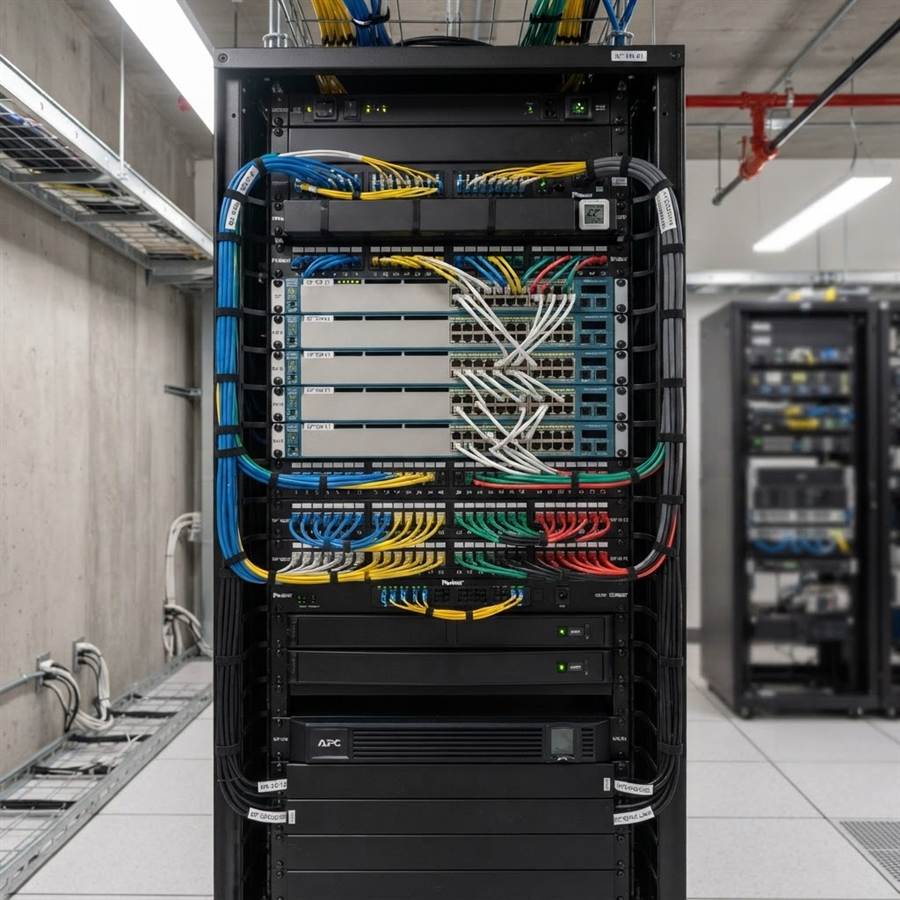
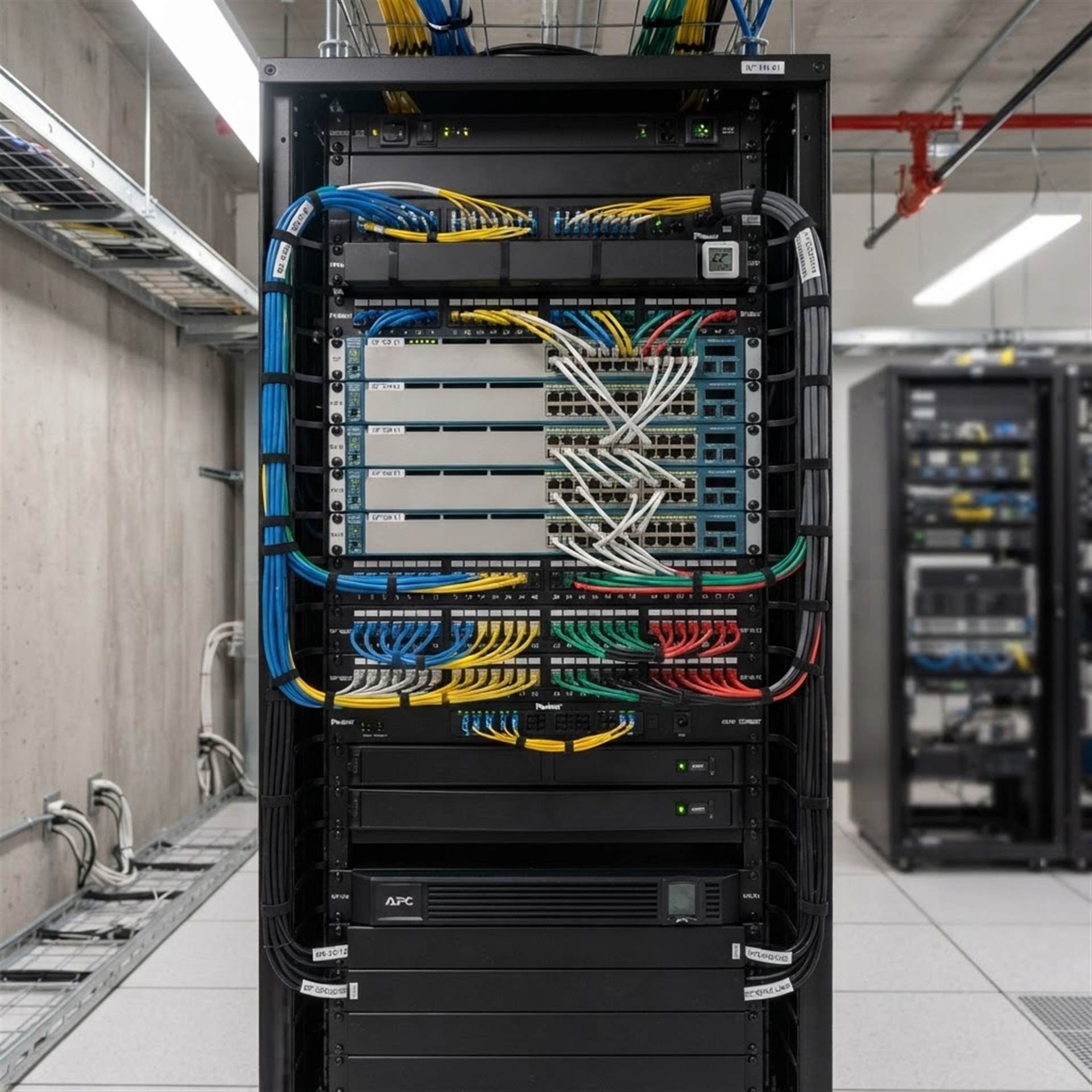
Main and intermediate distribution frames built for growth: racks, relays, patch panels, and clean cable management.
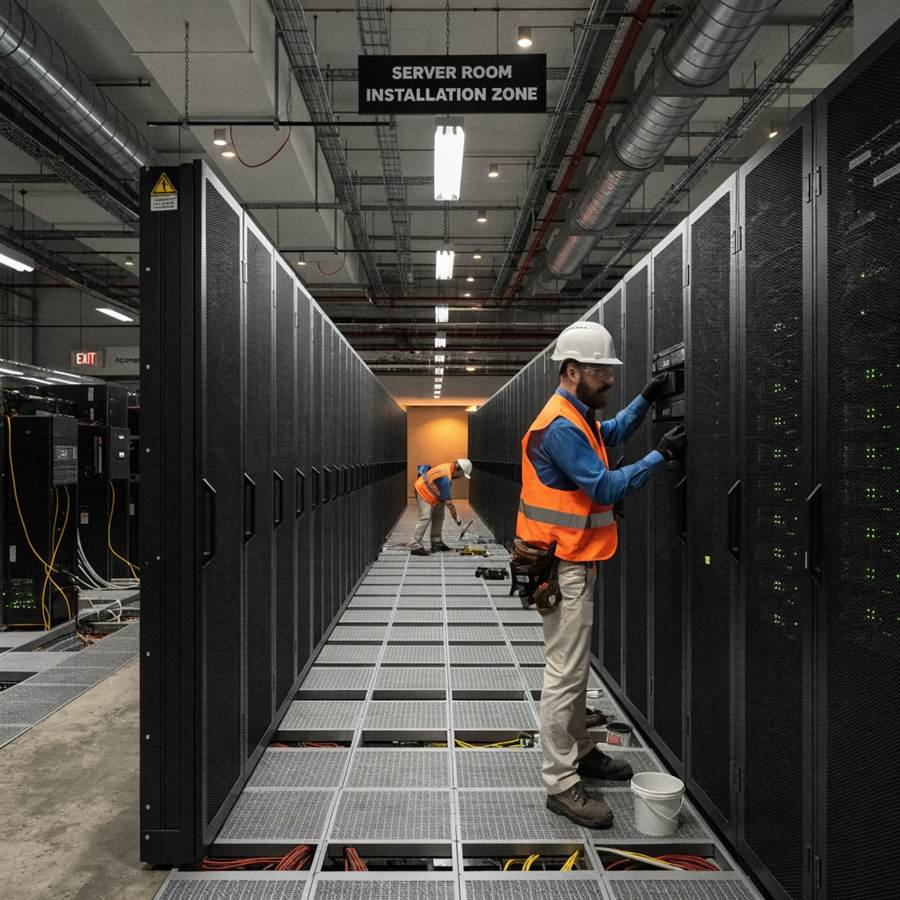
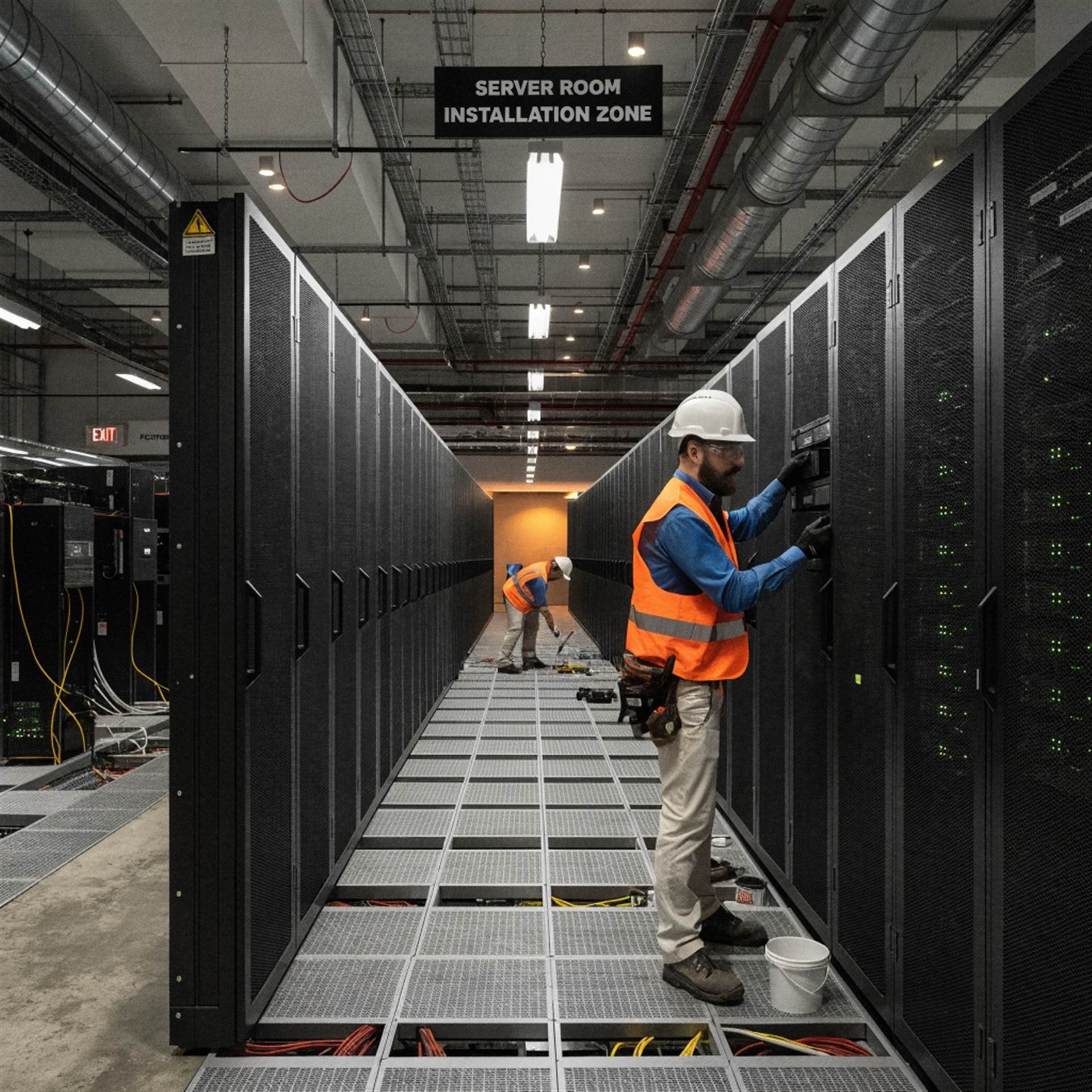
Full infrastructure builds for new server rooms and data centers, including raceway solutions and rack-ready terminations.
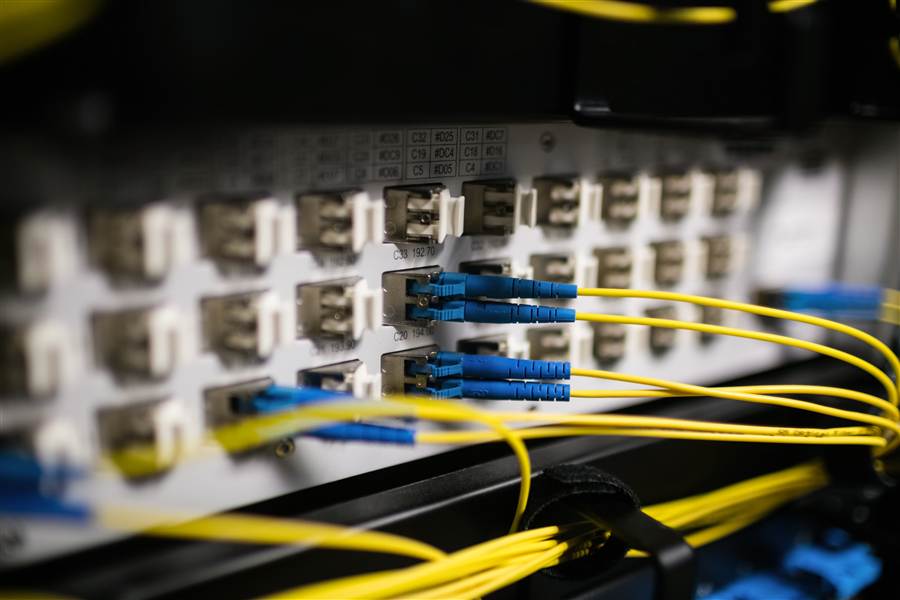
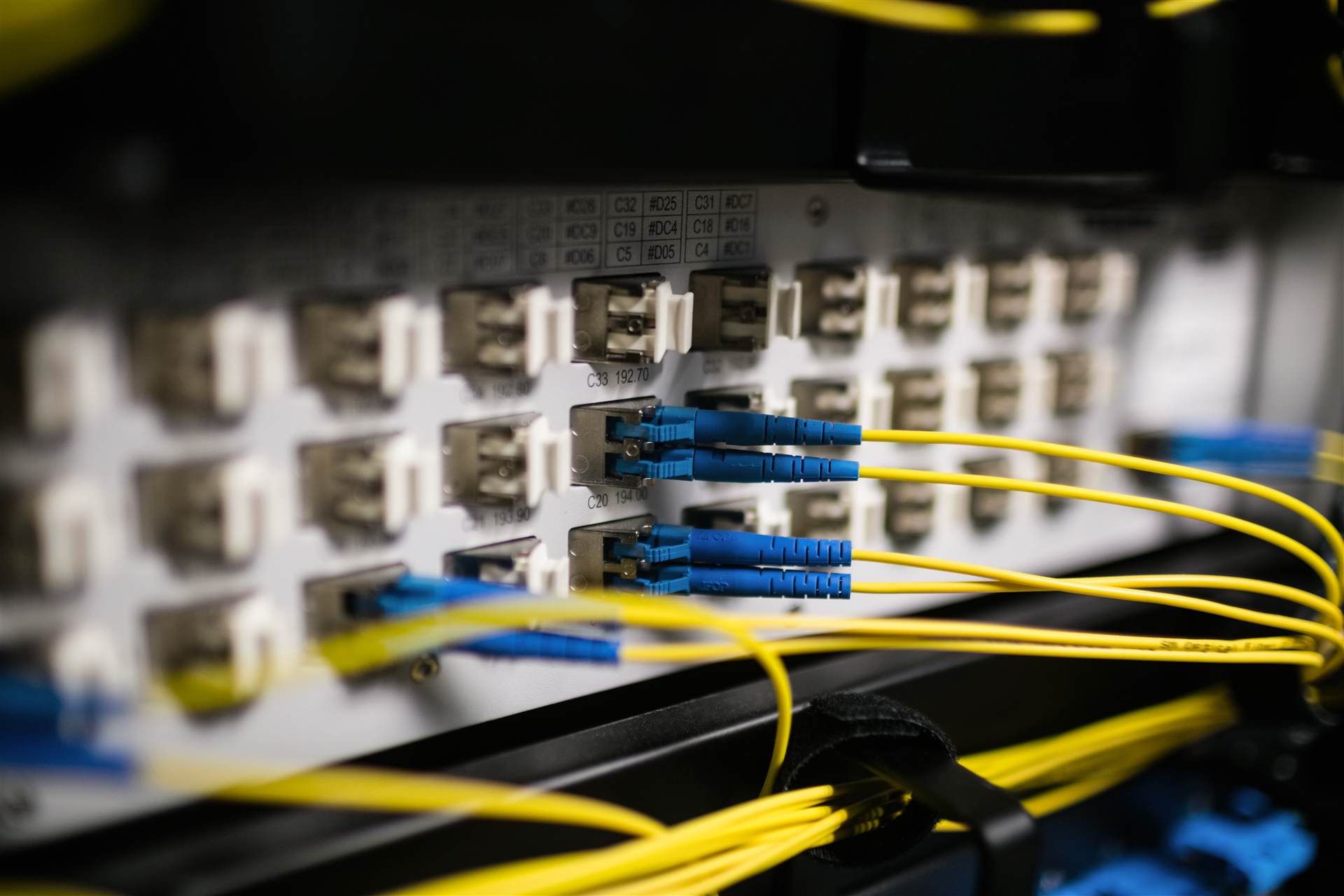
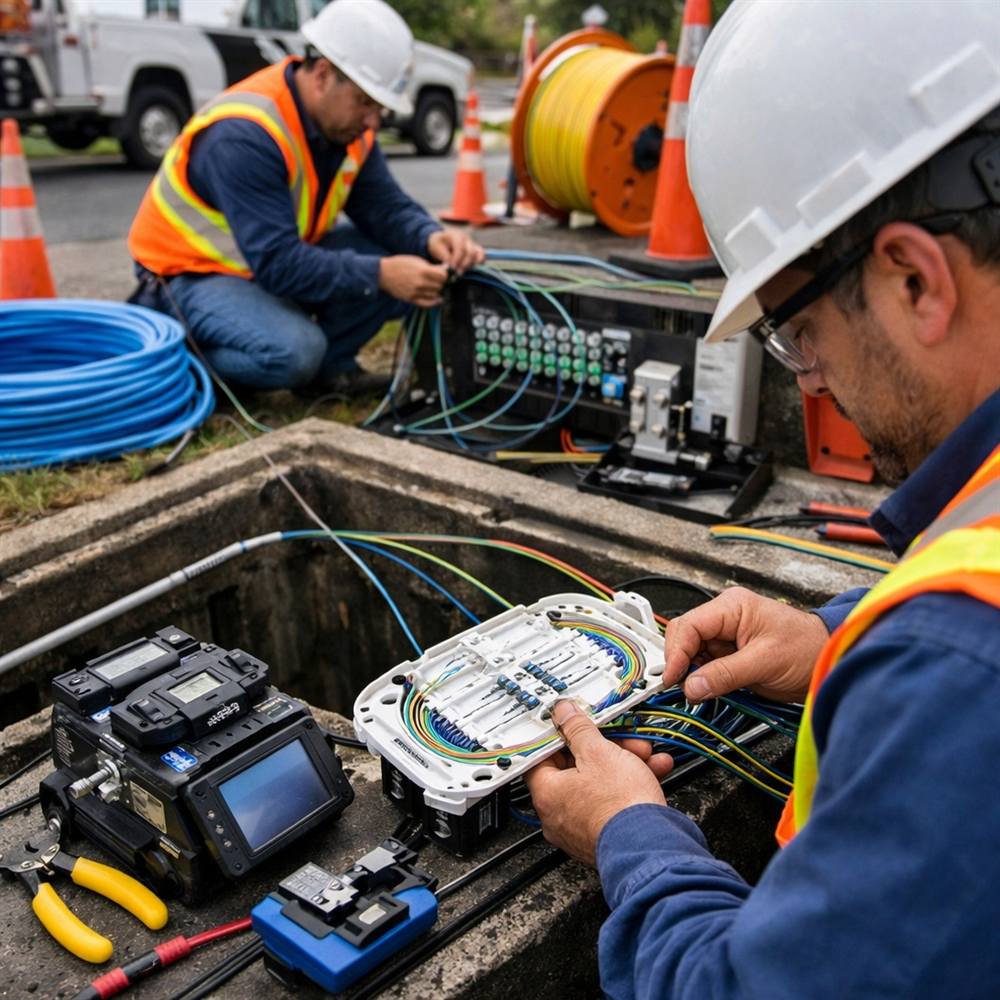
Fiber runs between buildings, floors, or IDF closets where copper isn't enough — engineered for long-term reliability.
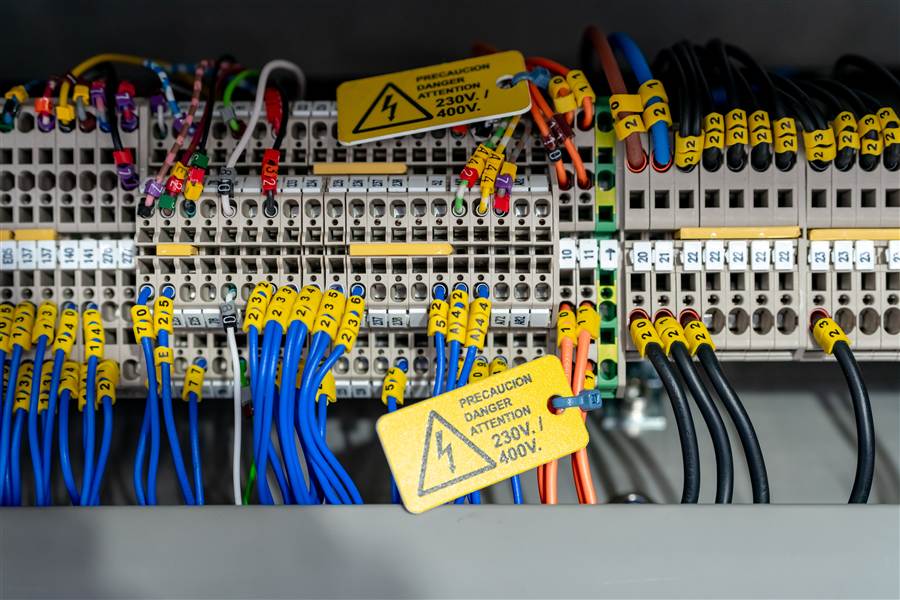
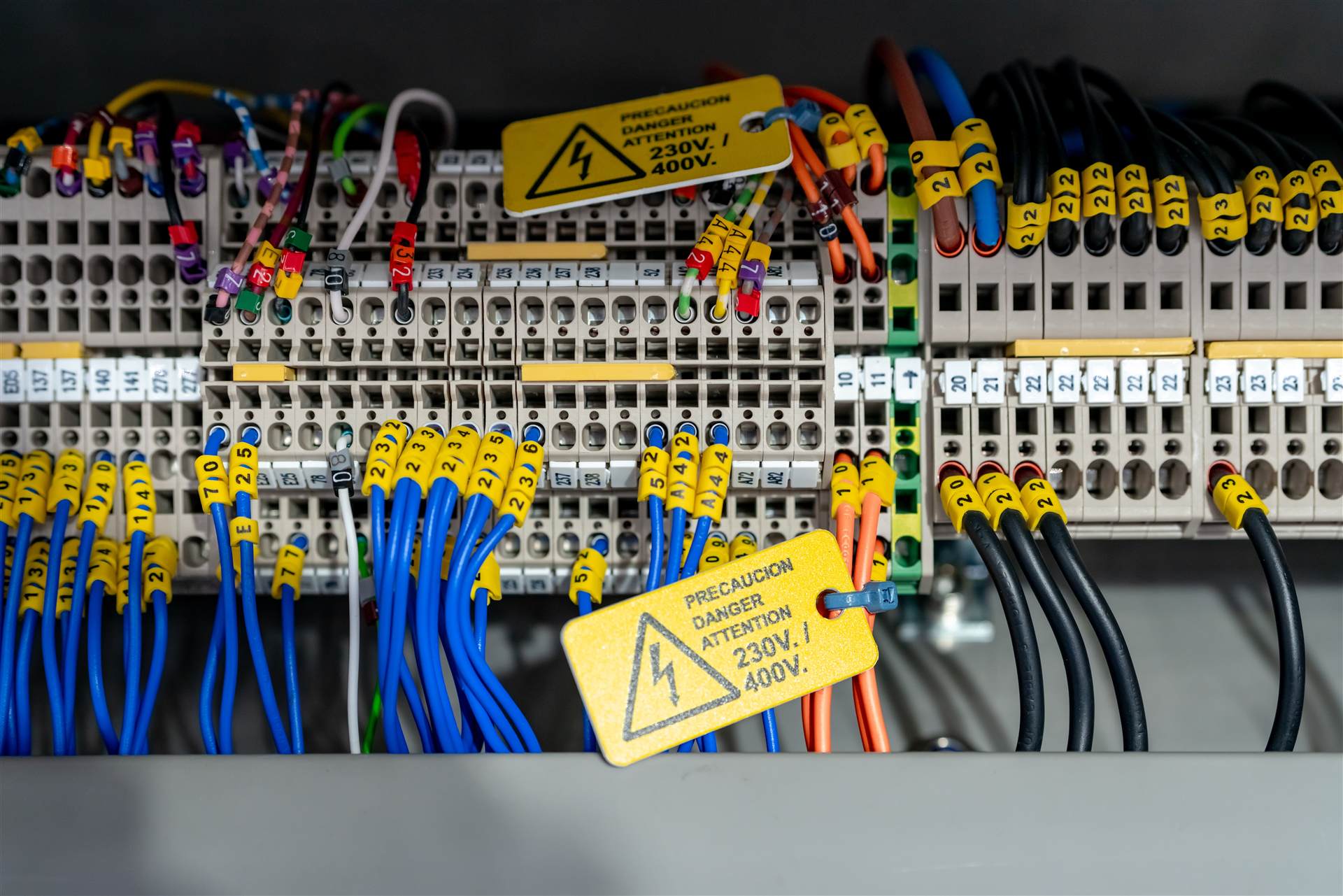
Every run labeled and documented on completion, so your team (or ours) can troubleshoot in minutes, not hours.
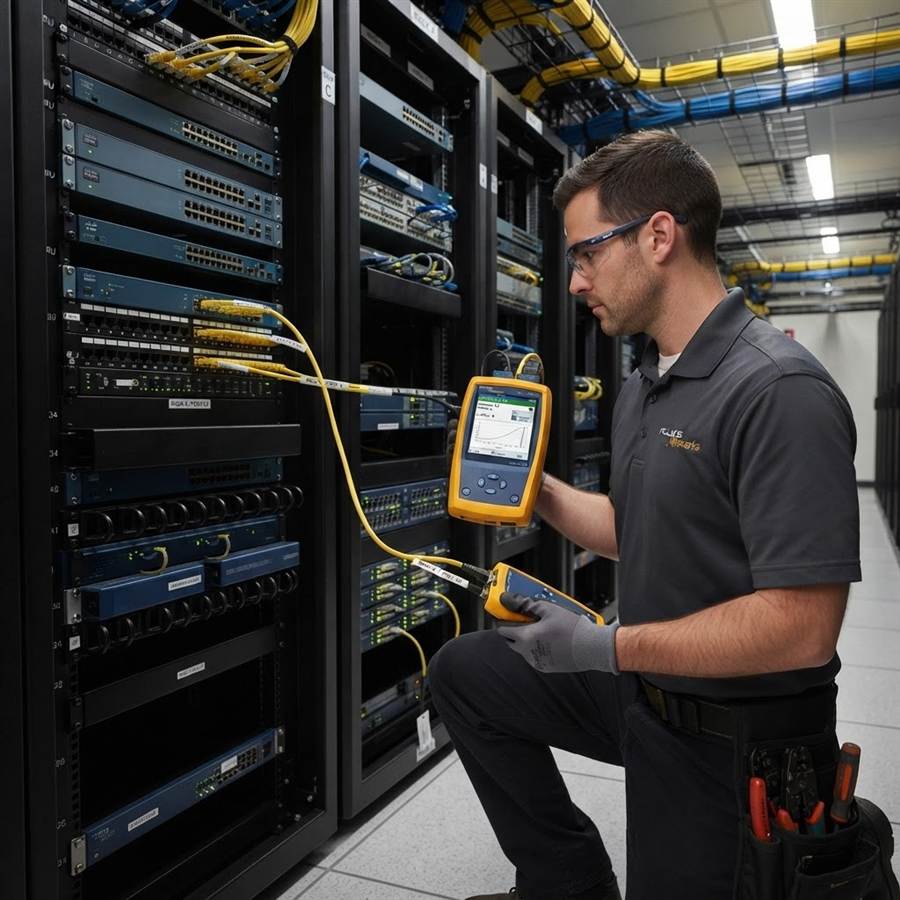
Every cable run tested end-to-end before we call the job done — no guessing whether a port actually works.
Running cable through an empty construction site and retrofitting an operating facility are completely different projects. In existing buildings, WNS works around employees, guests, residents, and operations while finding practical routes through finished walls, ceilings, and existing pathways.
A cable that passes certification can still leave a room worse than we found it — open ceiling tiles, unpatched walls, no record of what got run where. That's not finished.
When we're done, the space is patched, the rack is labeled, and the documentation is ready for whoever needs it next — us or anyone else.
WNS performs cabling work with a combination of our own technicians and trusted installation partners.
For ongoing projects and customers with recurring infrastructure needs, our in-house cabling team gives us greater control over scheduling, quality, and follow-through. For larger or geographically distributed projects, we can supplement that team with qualified local crews while WNS remains responsible for the scope, standards, testing, and final result.
One standard, regardless of who pulls the cable. We don't simply hand you a contractor's phone number. WNS owns the project.
Your cable plant supports more than a computer plugged into a switch:
WNS plans the infrastructure with all of those systems in mind — not just the ones that were on the job the day the cable went in. We've restored spaces where another trade's access-control or security work left gaps in the walls behind it.
Some clients don't call us for one cabling project. They call us repeatedly as locations change, expand, and open. For organizations with ongoing needs, WNS can become the cabling and infrastructure team they call whenever a new requirement comes up.
Just need one more network drop? That counts too. Planning an office move or a full IT asset refresh alongside your cabling project? See our IT Asset Logistics services.
A new office spanning two floors with no finished network infrastructure. WNS built the physical foundation the office runs on today.
WNS ran new solid-copper plenum cable drops for RHD (Resources for Human Development, rhd.org) — the same nonprofit we support for organization-wide IT services.
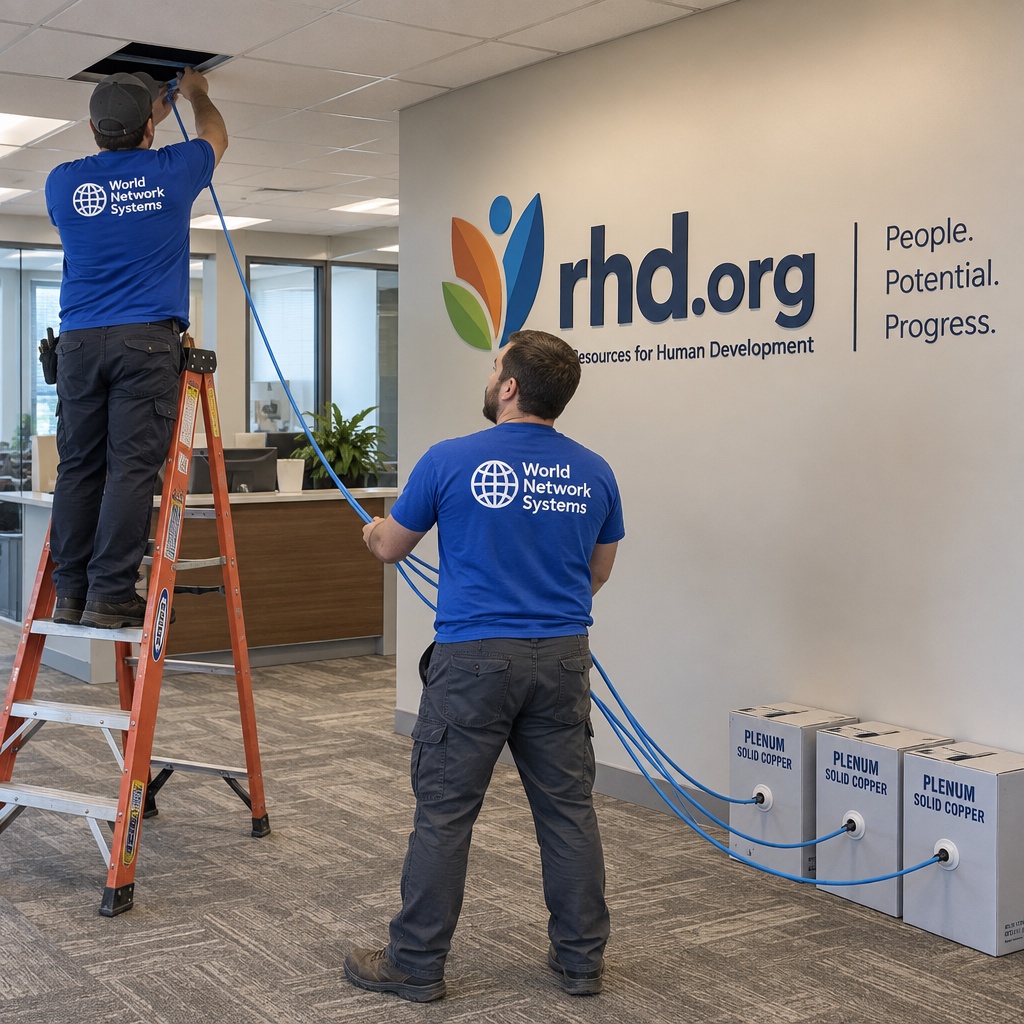
We didn't simply install cable. We built the physical foundation for the office network.
Tell us about the project — we'll scope the cabling and get you a plan.